When Patients Get Lost, NHS Staff Absorb the Pressure
Why better pre-visit wayfinding is a workforce issue as well as a patient experience issue.

A patient asking for directions is never a problem.
NHS staff help because that is what good care looks like.
But when the same questions are repeated hundreds of times across a complex hospital estate, those small interactions become part of a much larger operational issue.
Reception teams explain the same routes.
Volunteers escort visitors between departments.
Porters redirect families who have entered through the wrong building.
Nurses and healthcare assistants step away from their work to help someone find a clinic.
A tough hypothetical calculation quickly demonstrates what a big issue this is:
1000 front line staff being asked directions takes 5mins of their day = 5000 minutes a day divided by 60 = 83 hrs x 220 working days a year =
18,260 hours lost per year.
Meanwhile, clinical teams wait for patients who have arrived at the hospital but are still trying to find the correct department.
None of these moments appears particularly significant in isolation.
Together, they create a hidden layer of work that NHS staff quietly absorb every day.
Staff are often the real hospital wayfinding system
Hospitals rely on signs, maps, coloured routes and information desks to help people navigate.
In practice, staff frequently become the most dependable wayfinding system in the building.
Patients naturally approach the first person they see wearing a uniform or identification badge.
It does not matter whether that person works in reception, radiology, pharmacy, catering or clinical care.
To the patient, they are someone who can help.
Most staff will gladly stop and provide directions. However, every interruption takes time and attention away from another task.
The problem is not that patients ask for help.
The problem is that the environment and the information provided before arrival often leave them with no alternative.
Wayfinding problems do not stay with estates teams
Hospital wayfinding is sometimes treated primarily as a signage or facilities issue.
Its effects reach much further.
When patients struggle to find their destination, the pressure is felt by reception teams, outpatient departments, switchboards, volunteers and clinical staff.
A confusing route can lead to a late check-in.
A late check-in can disrupt the clinic schedule.
A patient entering through the wrong building may require an escort.
A worried relative may call the hospital several times before travelling.
A clinic may record someone as late even though they arrived on the hospital site with time to spare.
The original problem may be navigational, but its consequences quickly become operational.
Late does not always mean unprepared.
When a patient arrives late, it can be easy to assume that they left home too late or failed to follow the instructions provided.
Sometimes, they have done everything asked of them.
They arrived at the postcode shown on their appointment letter.
They found somewhere to park.
They entered the hospital with enough time.
They simply could not find the right entrance, floor, lift or department.
From the clinic’s perspective, the patient is late.
From the patient’s perspective, they have been trying to reach the appointment for the last twenty minutes.
That distinction matters.
It changes the conversation from “Why was the patient late?” to “How easy did we make it for them to arrive on time?”
Repeated questions are useful information.
Frontline NHS staff often know exactly where patients become confused.
They know which entrances are difficult to identify.
They know which departments are regularly mistaken for one another.
They know which signs people walk past and where visitors frequently take a wrong turn.
They hear the questions that patients ask every day:
“Am I in the right building?”
“Which reception do I need?”
“Is there step-free access?”
“How far is it from the car park?”
“Where should the taxi drop us off?”
“Can someone show me where to go?”
These questions should not be viewed as interruptions alone.
They are valuable evidence about where the patient journey is not working as clearly as it could.
Staff experience should therefore be central to the design of better wayfinding. The people repeatedly giving directions often have the clearest understanding of where improvements are needed.
Better preparation protects staff time.
Helping patients prepare before they travel can prevent many navigation problems from reaching the hospital door.
A written instruction may tell someone to use the east entrance.
A static map may show where that entrance is located.
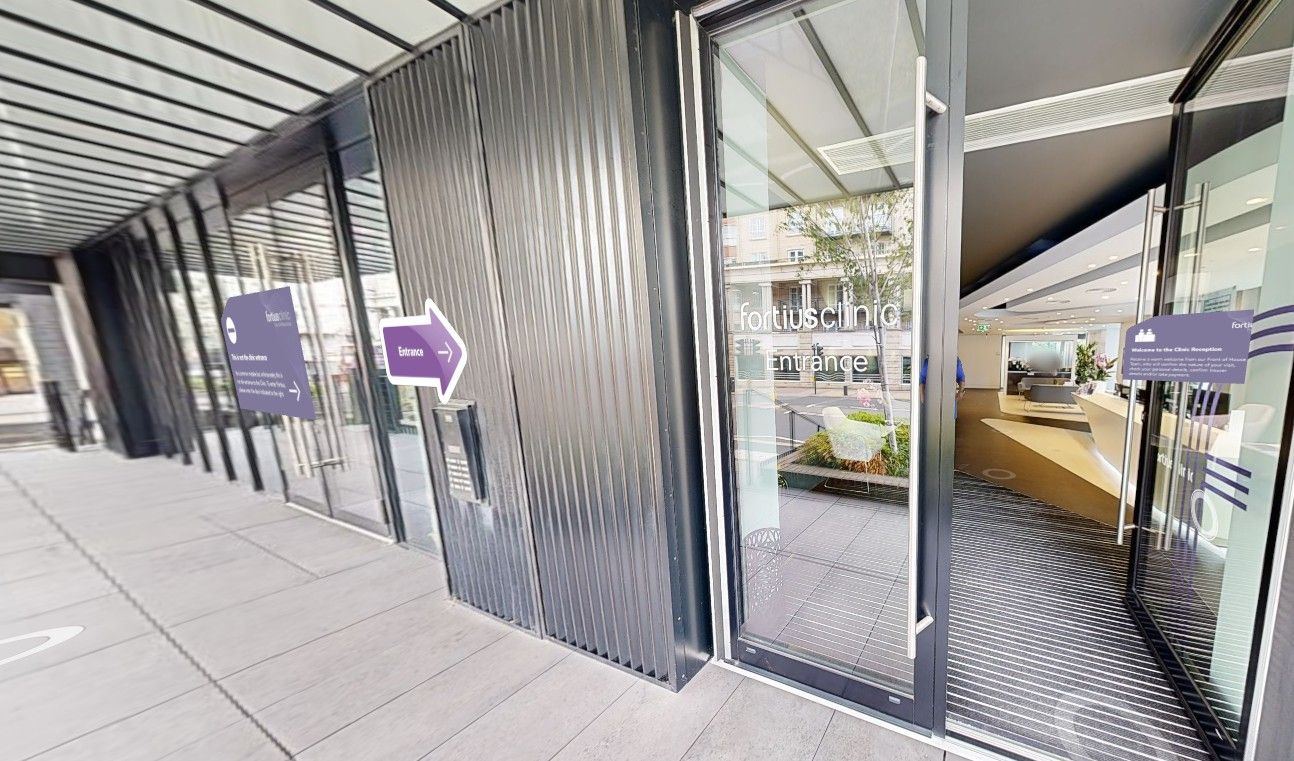
But neither necessarily helps a first-time visitor recognise it when they arrive.
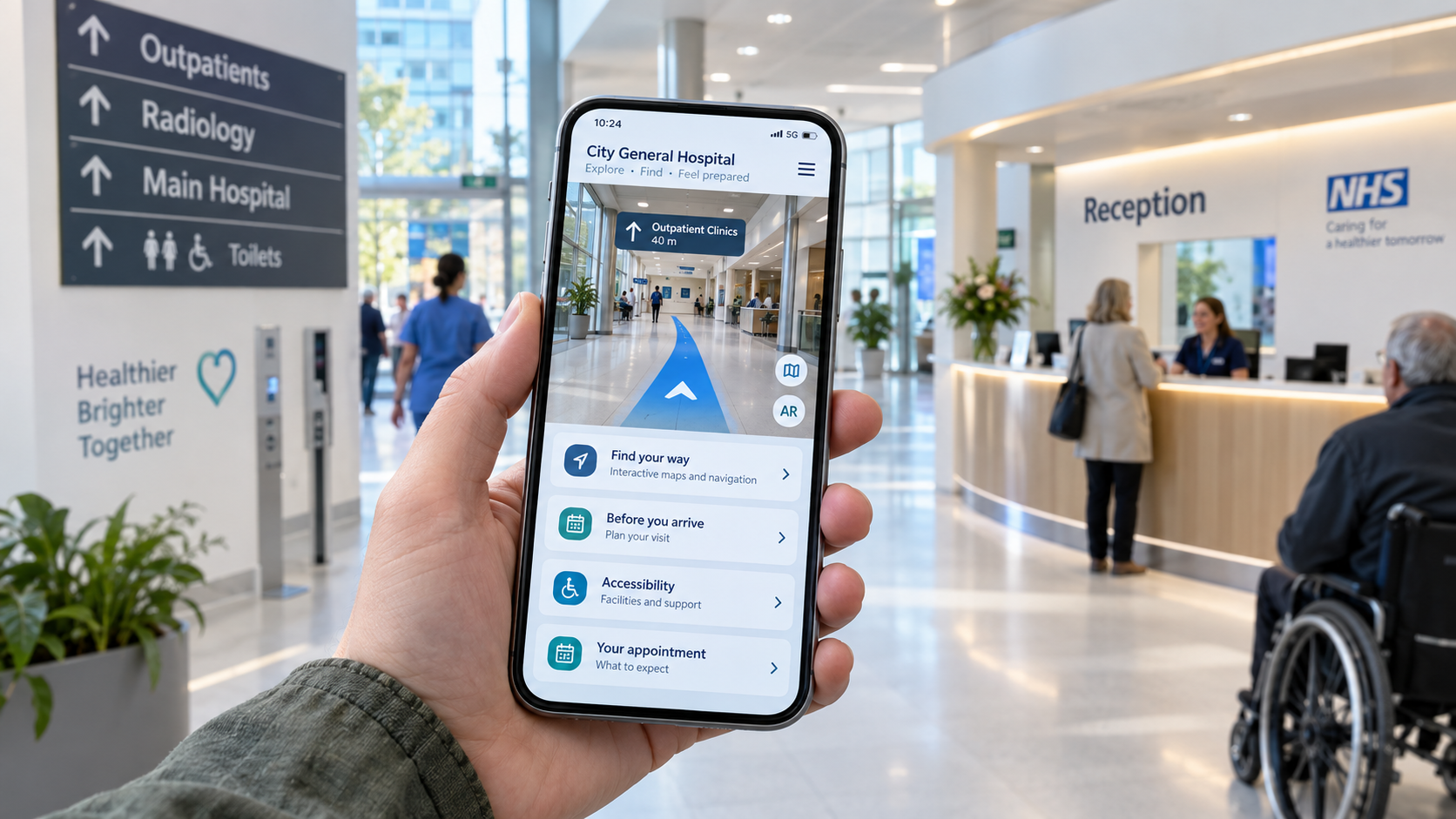
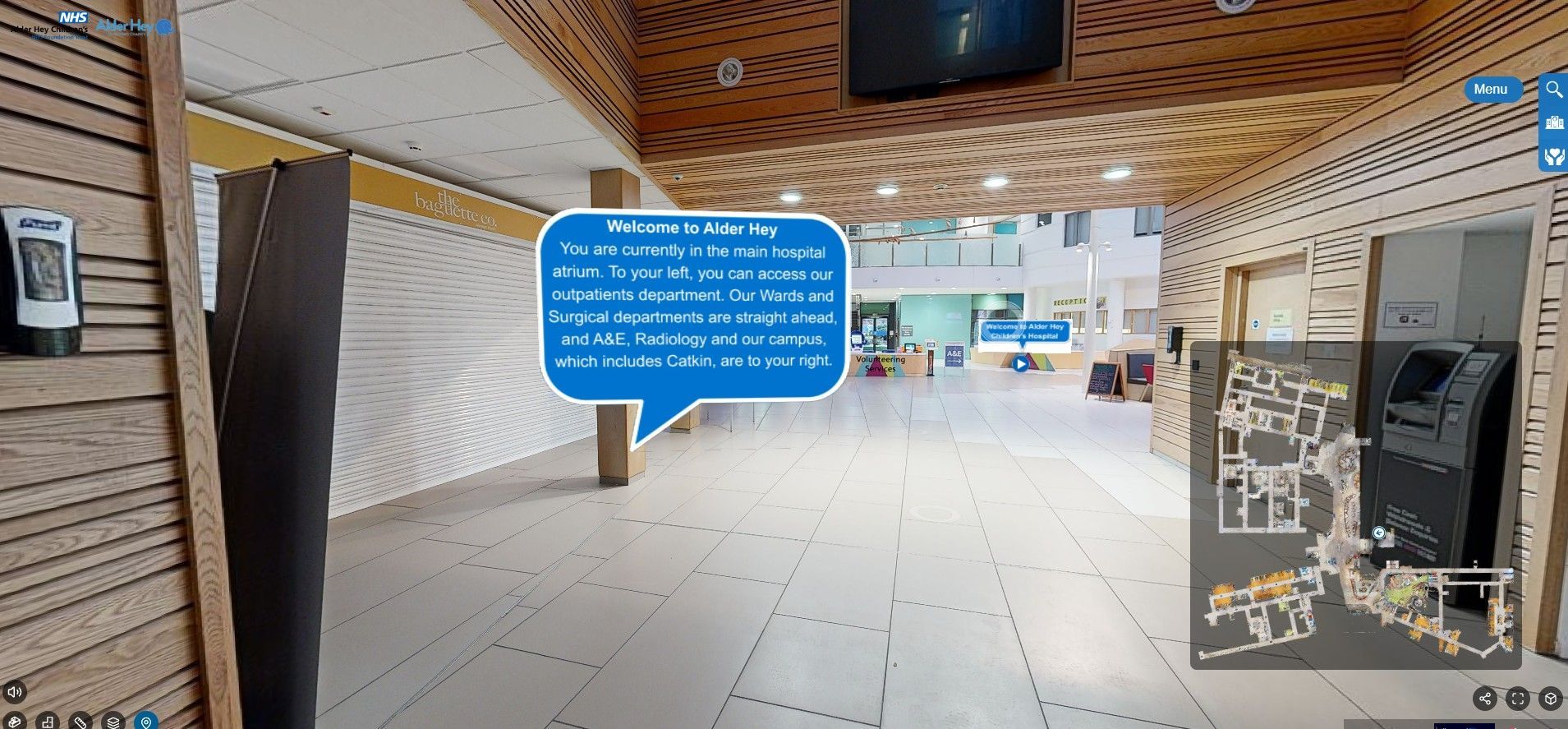
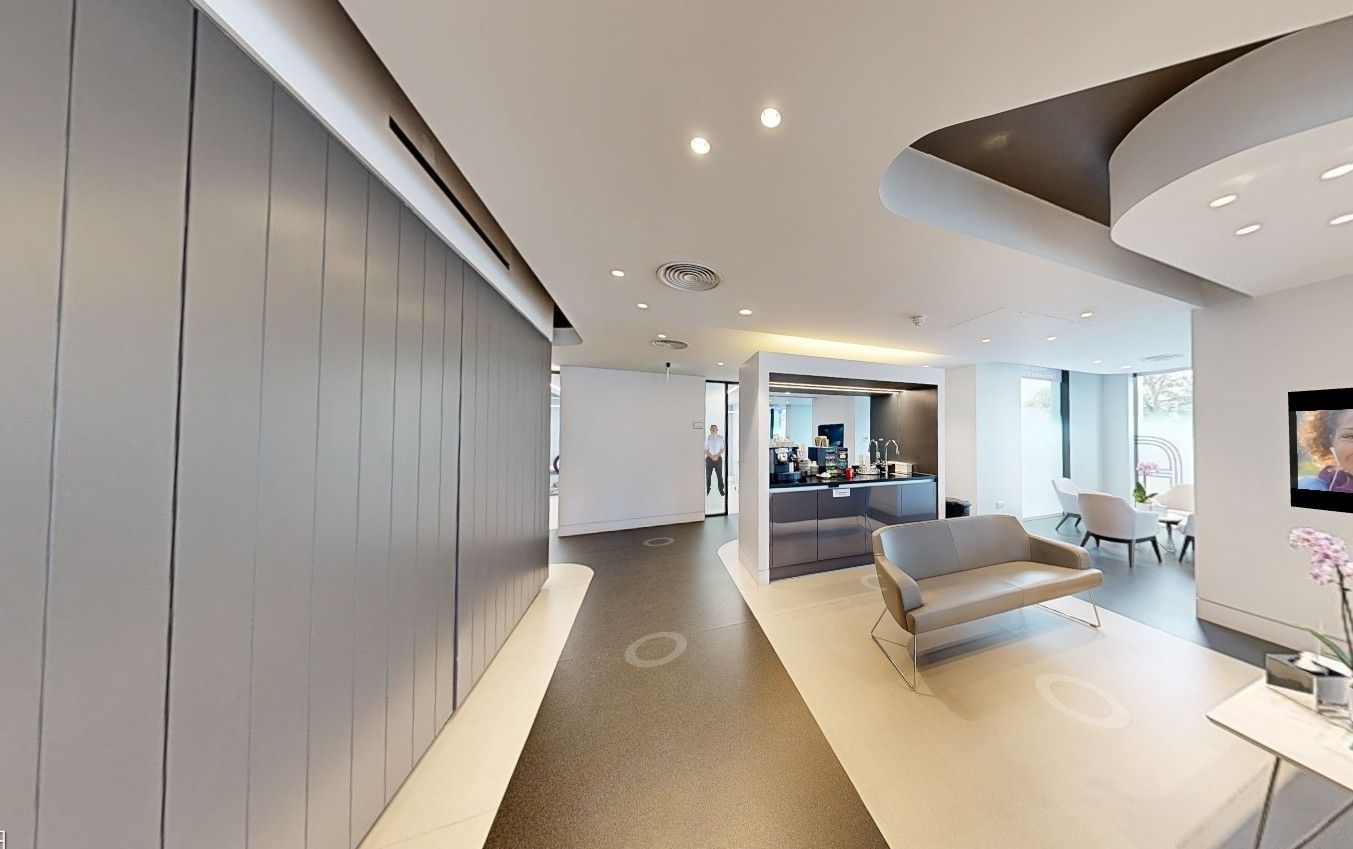
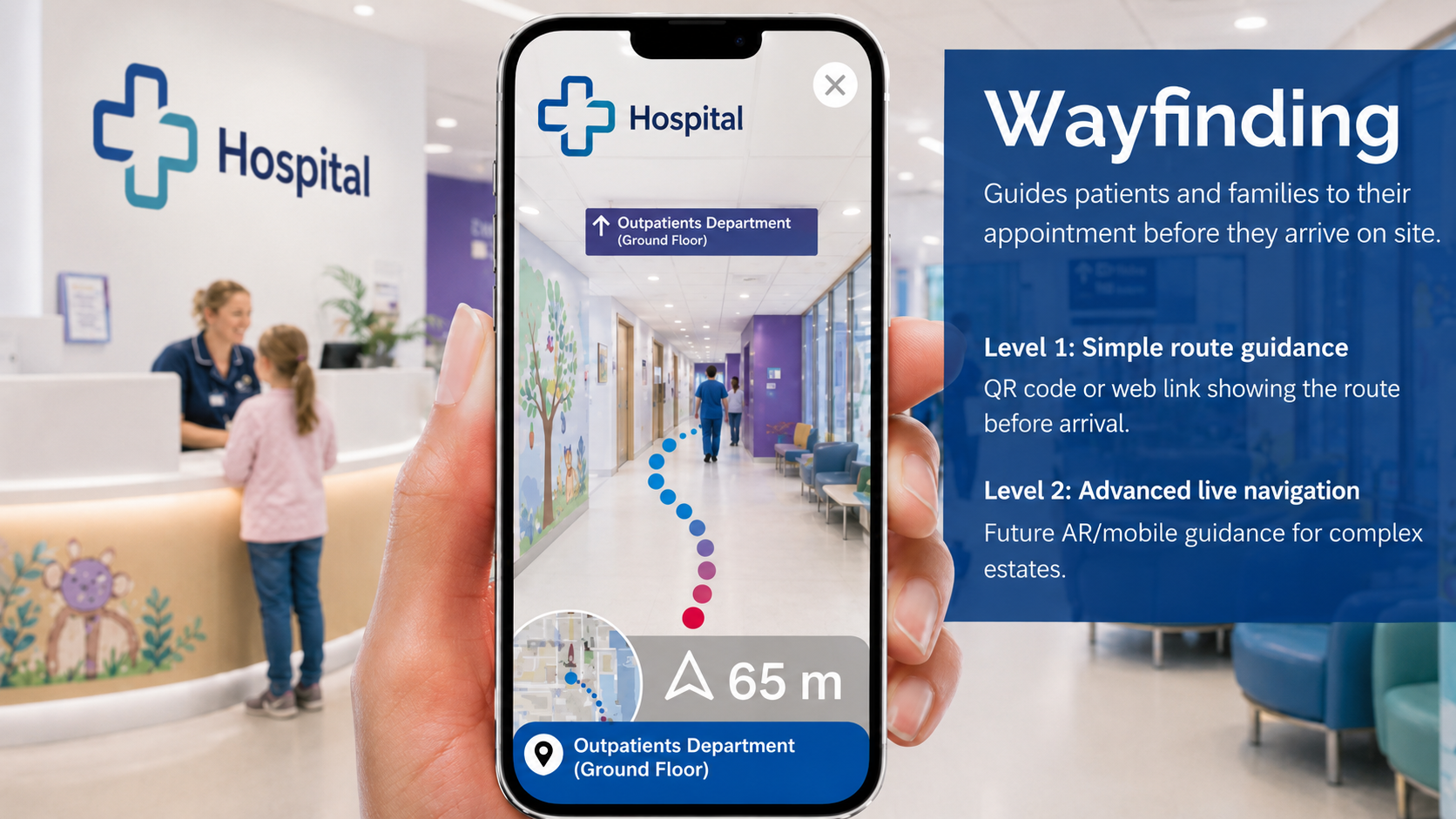
Interactive real world digital maps of the hospital and visual route guidance can show patients what the entrance looks like, where to report, which landmarks they will pass and what they can expect at their destination.
This information can be linked from appointment letters, text reminders, hospital websites and QR codes.
Patients can explore the journey at home, at their own pace, and revisit it whenever they need reassurance.
The aim is not to remove human support.
It is to ensure that staff time is available for the people who genuinely need personal assistance, rather than being consumed by questions that clearer pre-visit information could have answered.
Independence is an accessibility outcome.
Better wayfinding can also help more patients navigate independently.
For some people, asking a member of staff for directions is straightforward.
For others, it may be stressful or difficult.
People with learning disabilities, dementia, autism, anxiety, mobility needs or communication differences may benefit from seeing and understanding the journey in advance.
Parents can prepare children for an unfamiliar environment.
Carers can plan accessible routes.
Older patients can become familiar with important landmarks before travelling.
When the environment feels more predictable, people are better able to focus on the purpose of their visit.
That benefits the patient, but it also helps staff provide a calmer and more efficient service.
Technology should remove work, not create more of it.
NHS teams are frequently asked to adopt new technology.
Understandably, staff may be cautious about anything that sounds like another platform to manage, another login to remember or another process to fit into an already demanding day.
Effective digital wayfinding should do the opposite.
It should reduce repetitive enquiries.
It should complement existing appointment communications.
It should be simple for patients to access without downloading an app.
It should reflect the real routes that staff recommend.
Most importantly, it should remove avoidable work from frontline teams rather than creating more administration for them.
A calmer arrival helps the whole hospital
The strongest case for better pre-visit wayfinding is not simply that it helps patients find a department.
It helps the hospital function more smoothly.
Patients arrive better prepared.
Reception areas experience fewer repetitive enquiries.
Staff face fewer avoidable interruptions.
Clinics have a better chance of starting appointments on time.
People who need personal support can receive more focused assistance.
The patient journey becomes calmer because the staff experience becomes less pressured.
NHS staff will always help someone who is lost.
The more important question is whether healthcare organisations should keep asking them to solve the same avoidable problem, one patient at a time.
Better wayfinding is not only about showing patients where to go.
It is about giving NHS staff more time to do the work that only they can do.