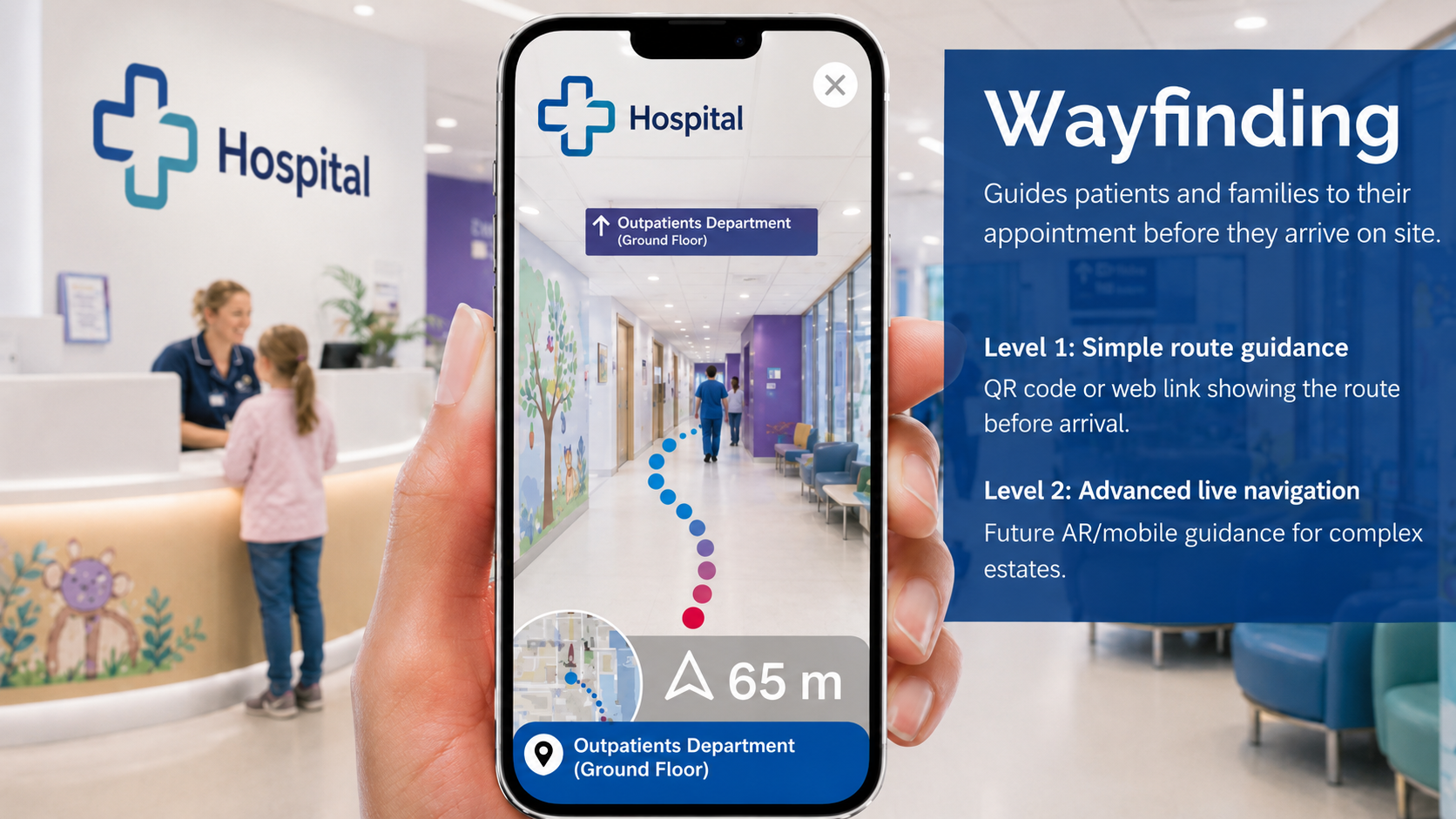
The Hidden Gap in Private Healthcare: Between Booking and Arrival
A stronger digital patient journey is not a nice-to-have. It is part of how private providers build confidence, demonstrate premium value and protect the patient’s experience before care begins.
Private healthcare patients do not just buy treatment. They buy confidence.
That confidence is often won or lost before they ever walk through the door. A patient may choose to go private for speed, convenience, discretion, comfort or access to specialist expertise, but they are still making a judgement long before the consultation begins. They are comparing providers, weighing cost against confidence, judging quality from the outside, and asking themselves whether the experience feels worth the premium.
That is why the digital patient journey matters so much in private healthcare.
The website may look polished. The consultants may be excellent. The facilities may be impressive. But after a patient books, many providers still leave a surprisingly weak handoff between appointment confirmation and arrival. A patient receives an email, perhaps a map pin, maybe a PDF attachment, and is then expected to work out the rest for themselves.
That gap is easy to miss internally. For patients, it can shape the entire first impression.
They may be wondering where to park, which entrance to use, how long the walk is, what reception looks like, whether the environment feels calm, whether a family member can come with them, or what will happen when they arrive. These concerns may sound small to an organisation that knows its own estate well. To a nervous self-pay, insured, international or family-supported patient, they are part of the decision-making experience.
The customer experience starts in the moments between booking and arrival, when the patient is forming an expectation of the organisation. Does it feel calm? Does it feel premium? Does it feel organised? Does it reduce uncertainty? Does it reassure them that they have made the right choice?
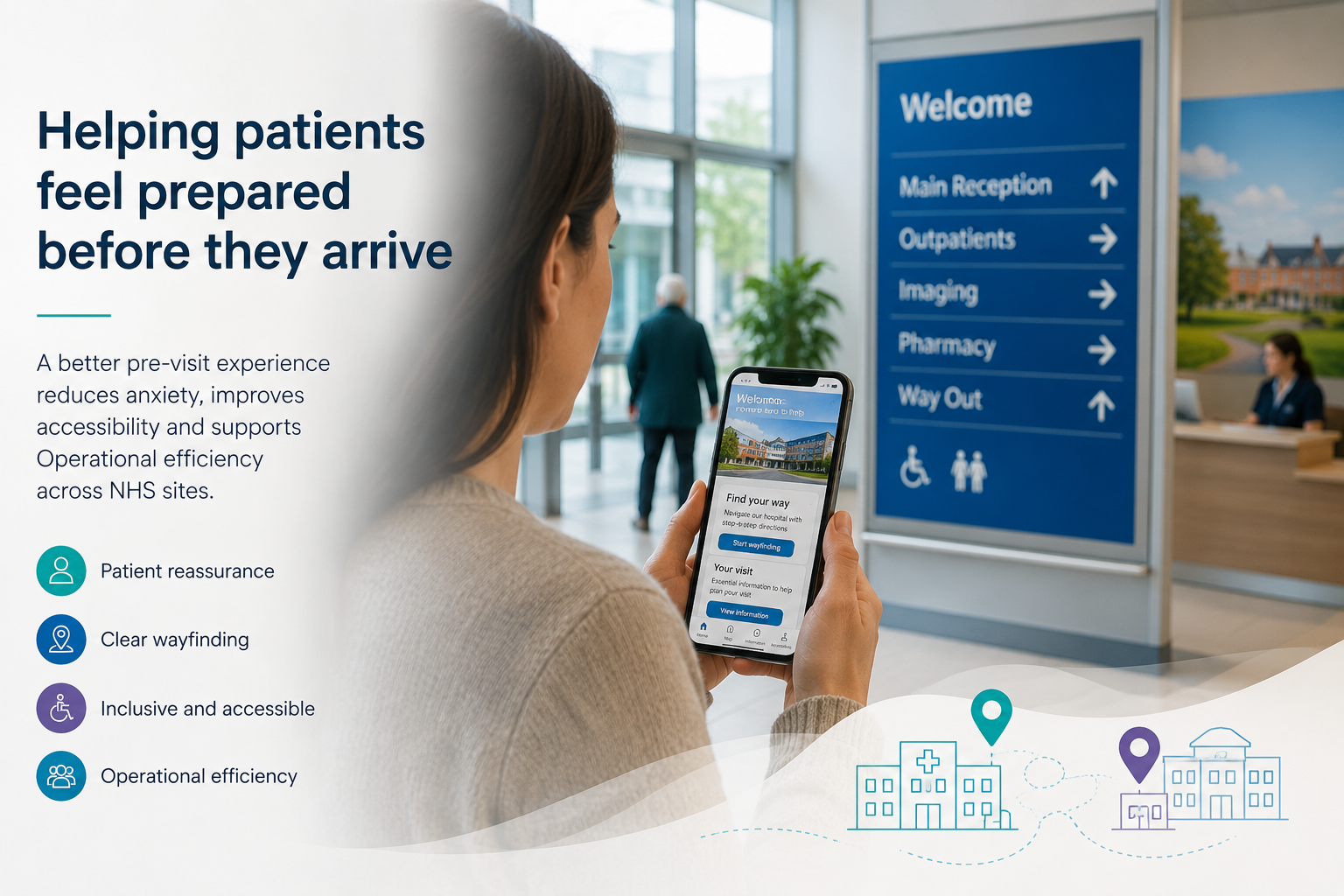
A stronger digital journey helps patients understand where they are going, what they will see and what will happen before they arrive. Done well, it can improve confidence, reduce avoidable calls, support smoother arrivals, reduce wrong-door frustration and create a more premium first impression. It also supports family members and carers, who often influence provider choice and need reassurance that the organisation is credible, calm and patient-focused.
For private healthcare, the messaging has to be different from the NHS.
In NHS settings, the focus is often access, inclusion, pressure reduction and service efficiency. Those points still matter, but private healthcare has an additional commercial layer. Patients are making active choices. They are comparing brands. They are asking whether the provider feels better, easier and more reassuring than the alternatives. The digital journey therefore has to support trust, premium perception, convenience, informed choice and conversion.
Private healthcare leaders should not think of digital patient journeys as another technology project. They should see them as part of brand experience, patient acquisition and operational quality. A smoother pre-arrival journey can make a provider feel more joined-up. A confusing one can make even a strong clinical organisation feel fragmented before care has begun.
The built environment is part of communication.
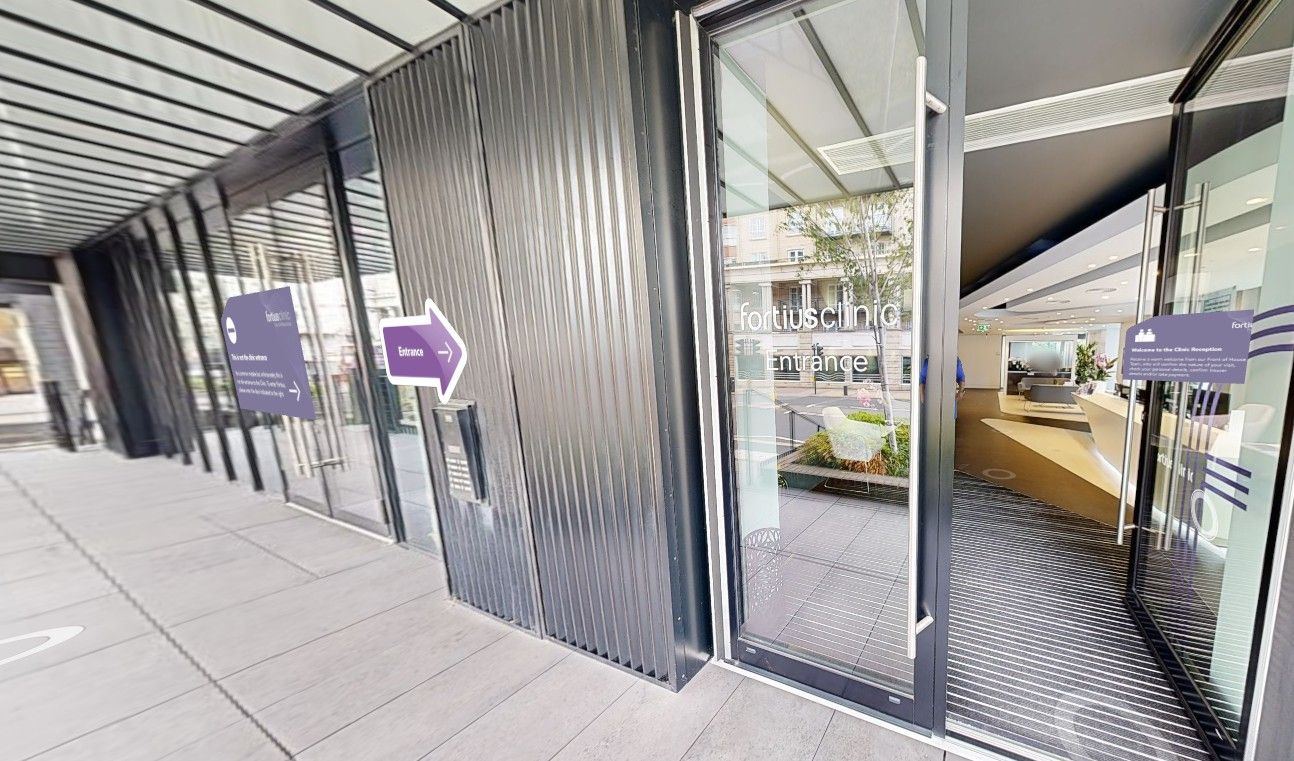
A clinic, hospital or diagnostic centre says something before anyone says a word. Is the entrance obvious? Is the route intuitive? Does the environment look modern and welcoming? Can patients picture themselves there before they arrive? If the physical environment is unfamiliar, digital tools should do more of the work in advance.
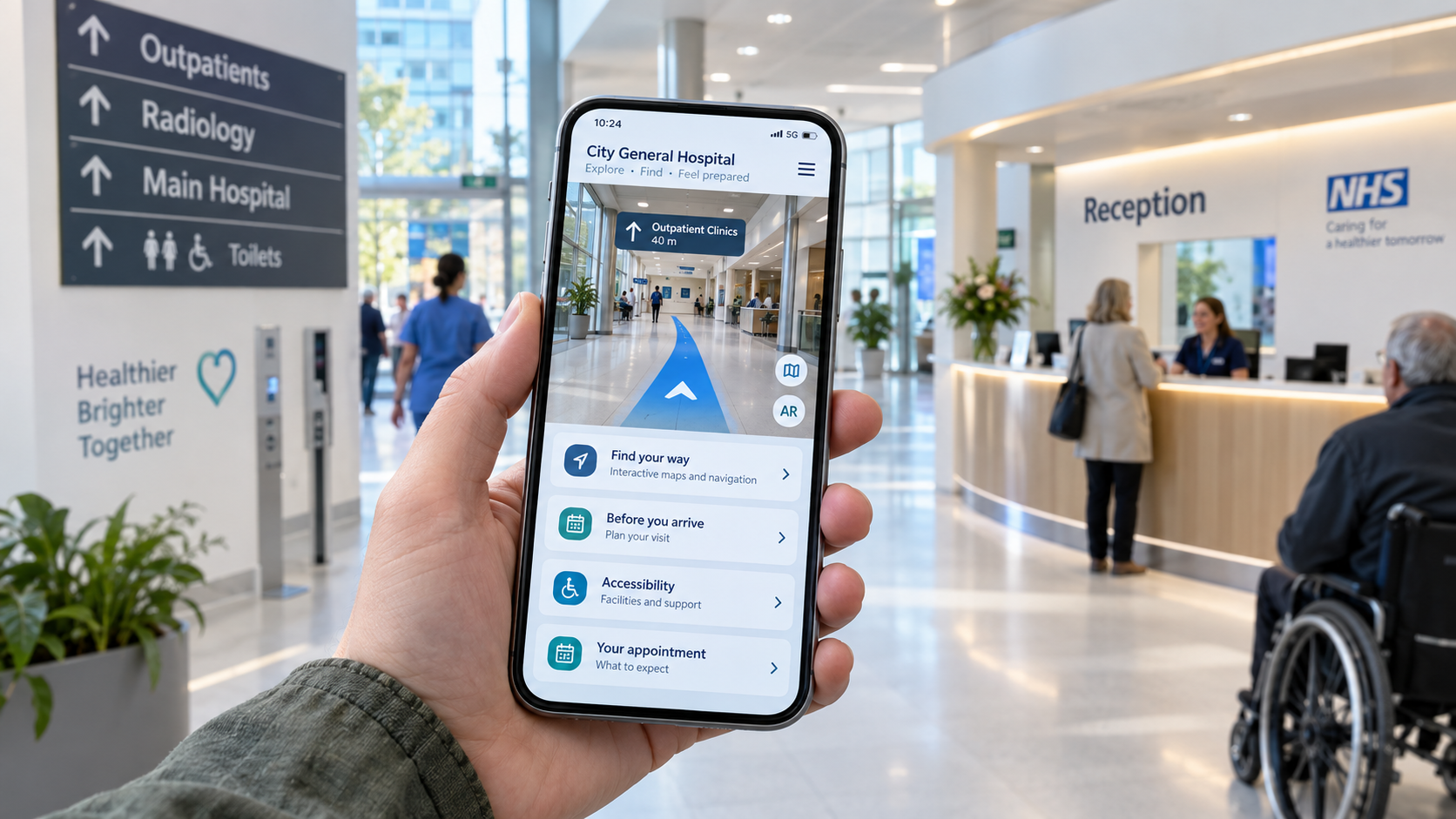
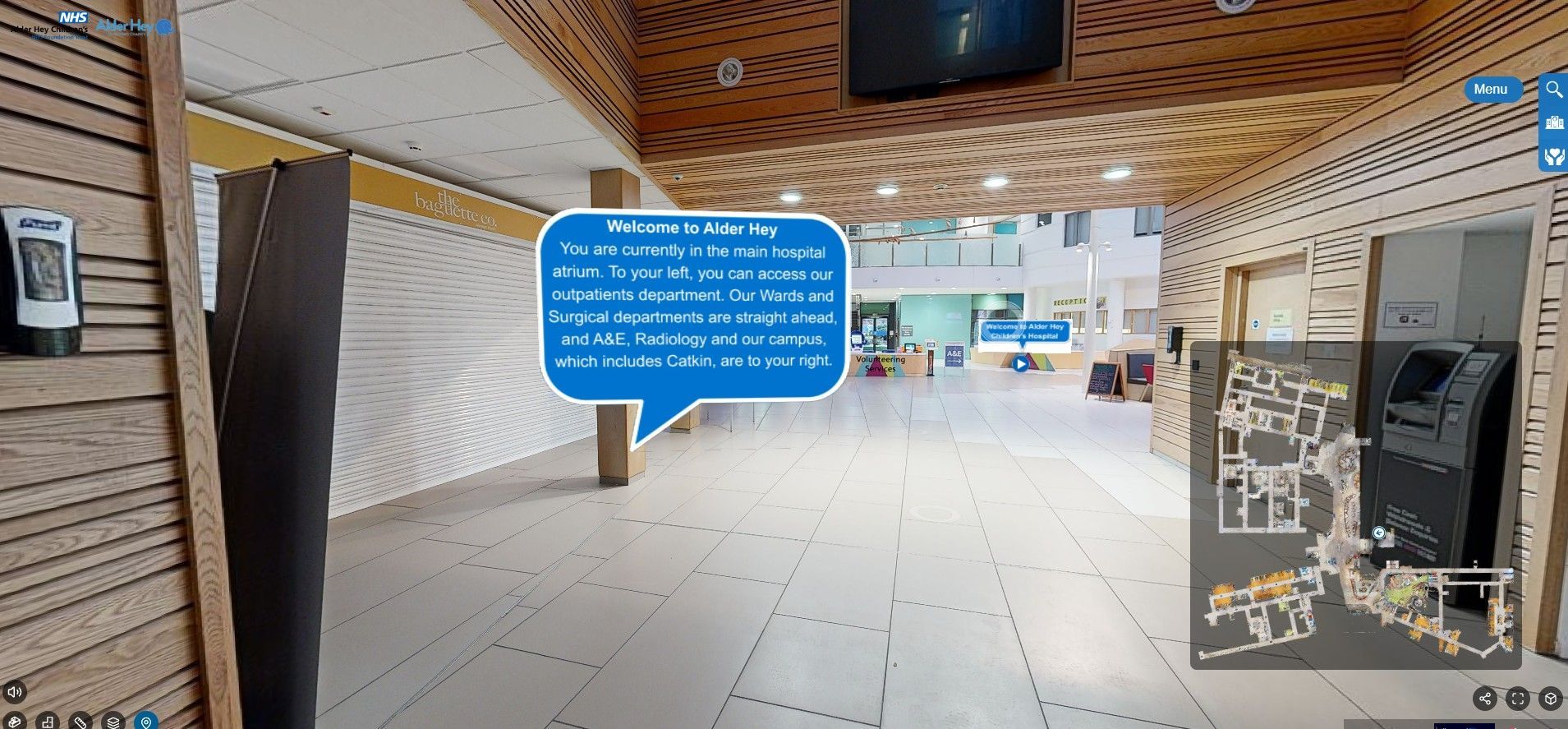
That is where interactive digital front doors, virtual tours, route guidance, arrival information and embedded patient content can make a real difference. They allow patients to see the facility, understand the journey, prepare for the visit and arrive with fewer unanswered questions. They also give providers a better way to showcase the quality of their estate, the professionalism of their environment and the care wrapped around the appointment.
This should not be approached as a hard sales tool.
The real point is reassurance. A better-informed patient is usually a calmer patient. A calmer patient is more likely to arrive with confidence, trust the provider, engage positively with staff and perceive the service as joined-up and professional. In private healthcare, perception and reality are closely linked. If the journey feels smooth, the organisation feels competent. If the journey feels confusing, confidence can dip before care even begins.
There is also a practical upside for operations and front-of-house teams.
When patients know where to go, what to expect and how to prepare, providers can reduce avoidable phone calls, late arrivals, wrong entrances and repetitive questions at reception. That gives staff more time for the interactions that genuinely need a human touch. A better digital patient journey does not replace hospitality. It protects it.
This is especially relevant for premium clinics, diagnostic centres and private hospitals competing on experience.
For self-pay patients, the journey needs to reinforce value. For insured patients, it needs to create confidence and clarity. For international patients, it needs to reduce uncertainty before travel. For consultants, it should make the provider easier to recommend. For marketing and operations teams, it should turn the estate itself into a clearer, more reassuring part of the patient journey.
At MediSites360, we have seen this first-hand in hospital environments where patients and families use interactive digital tours before their visit to understand entrances, departments, routes and what to expect on arrival. The principle applies just as strongly in private healthcare: the more clearly a patient can understand the journey in advance, the more confident they are likely to feel when they arrive.
When a patient books with you, does the digital journey that follows reinforce their decision, or does it leave them to work it out for themselves?