Podcast - Can a Virtual Hospital make healthcare more human?
A talk with Alan Tisch and Gill Phillips
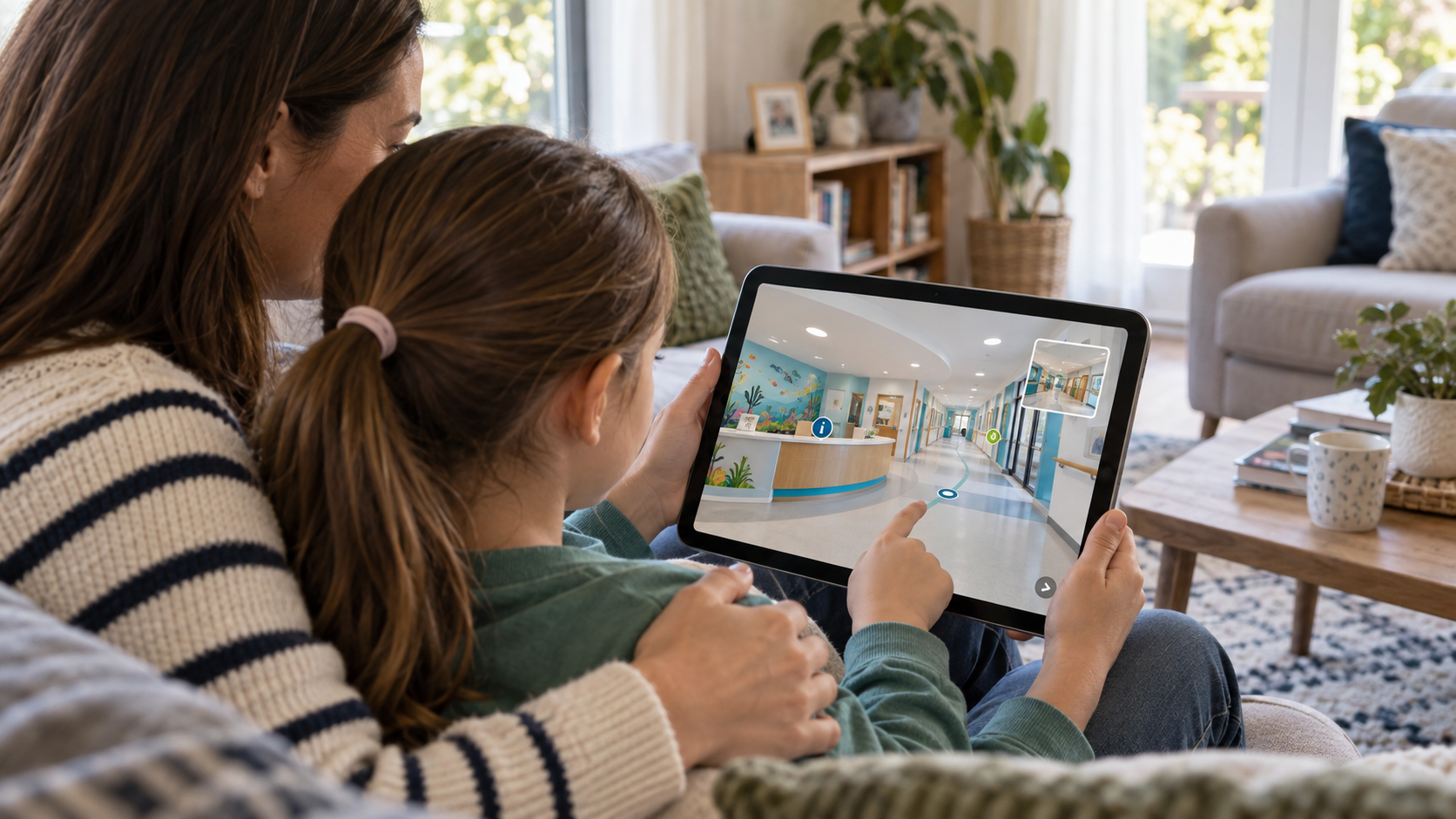
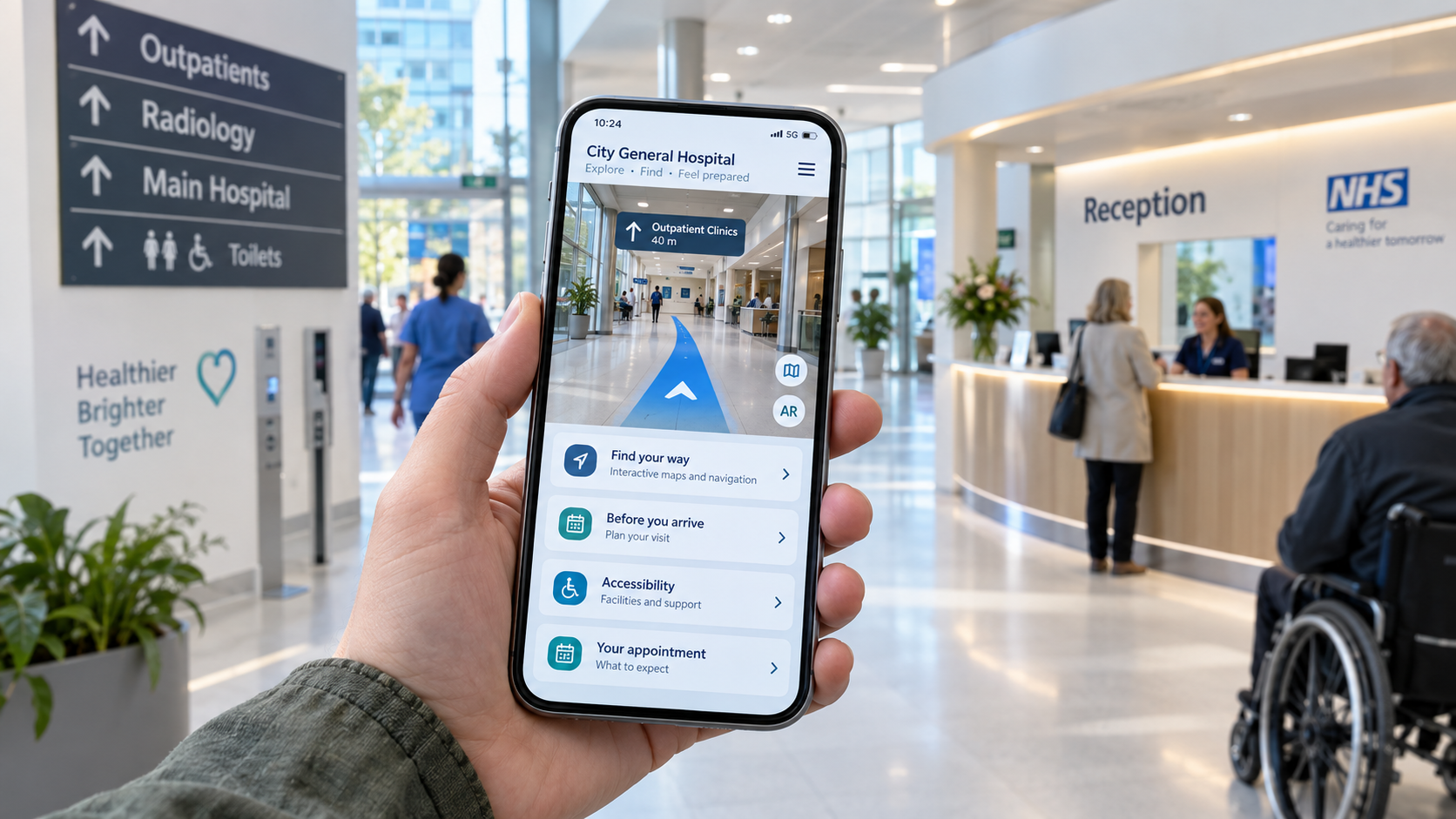
What if children and families could explore a hospital before they arrived?
LISTEN HERE:
https://www.buzzsprout.com/1838805/episodes/19778466
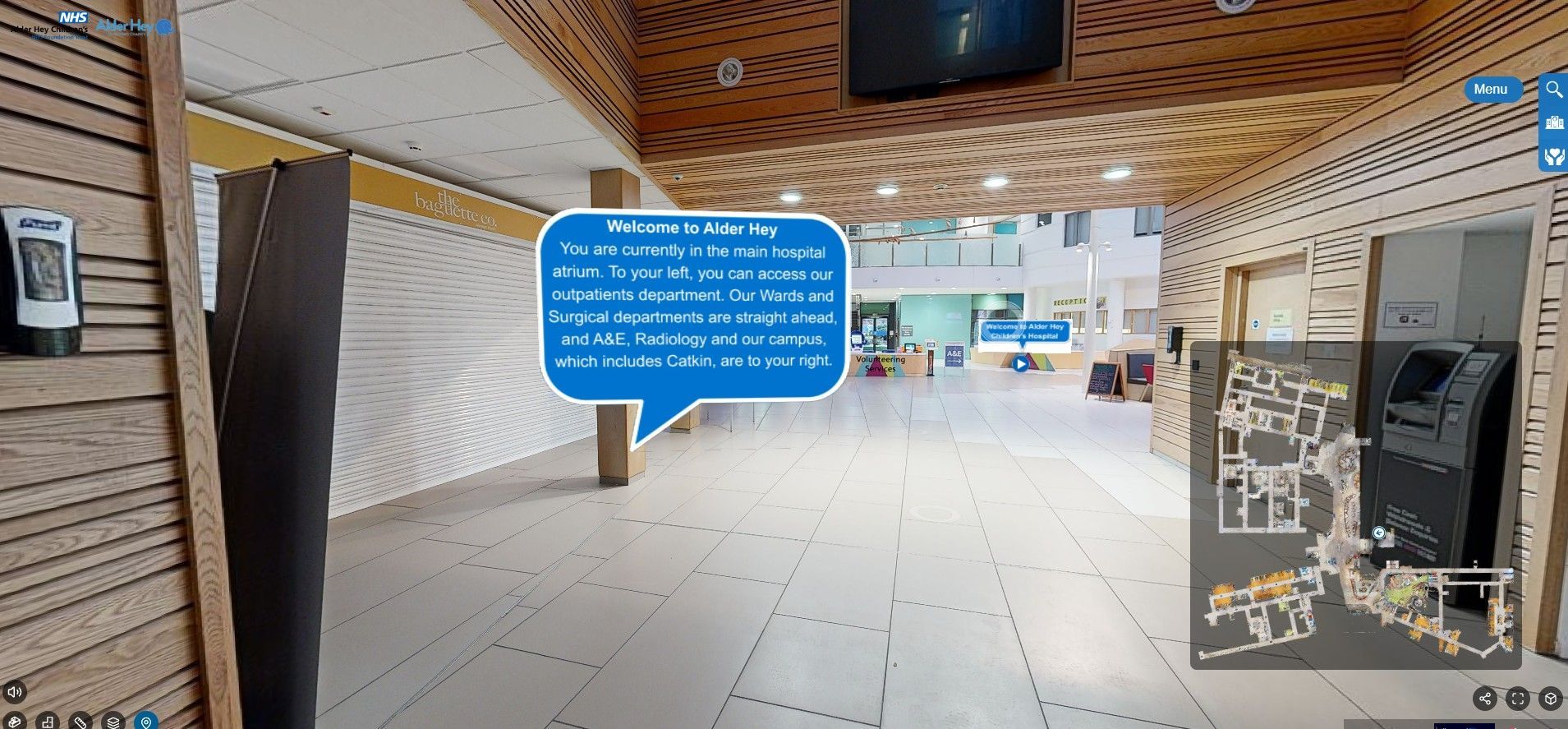
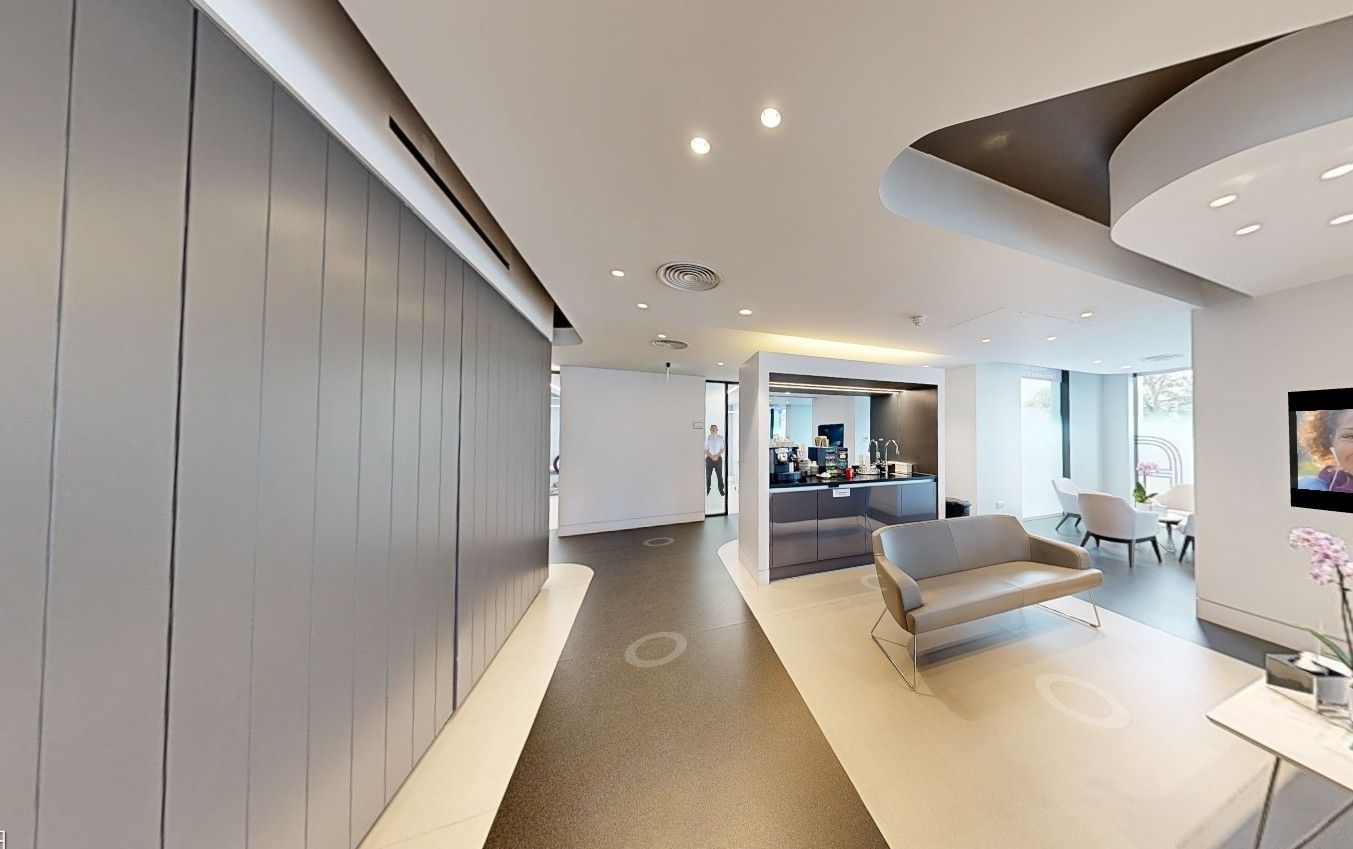
In this episode of Wild Card - Whose Shoes? I talk to Alan Tisch, founder of Medisites 360, about an innovative project with Alder Hey Children’s Hospital: creating a digital version of the hospital that children and families can explore in advance.
Where do we park? Where are we going? What will the MRI scanner look like? What will actually happen when we get there?
These may seem like small questions, but knowing what to expect can make a huge difference to anxiety, confidence and attendance - particularly for neurodivergent children and families who may find unfamiliar environments especially challenging.
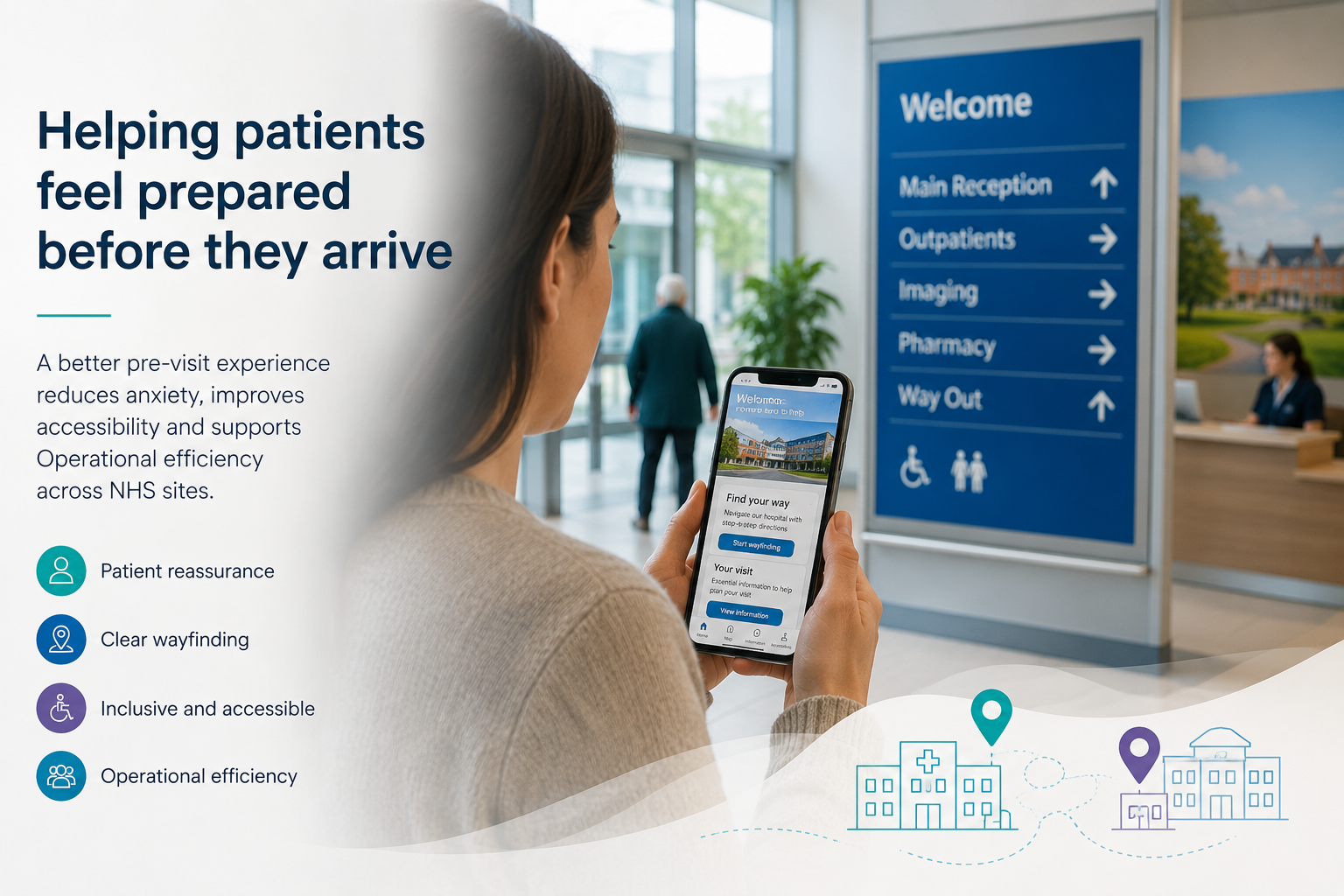
💡 Preparation can be a form of care. Knowing what to expect can reduce fear before a child even reaches the hospital.
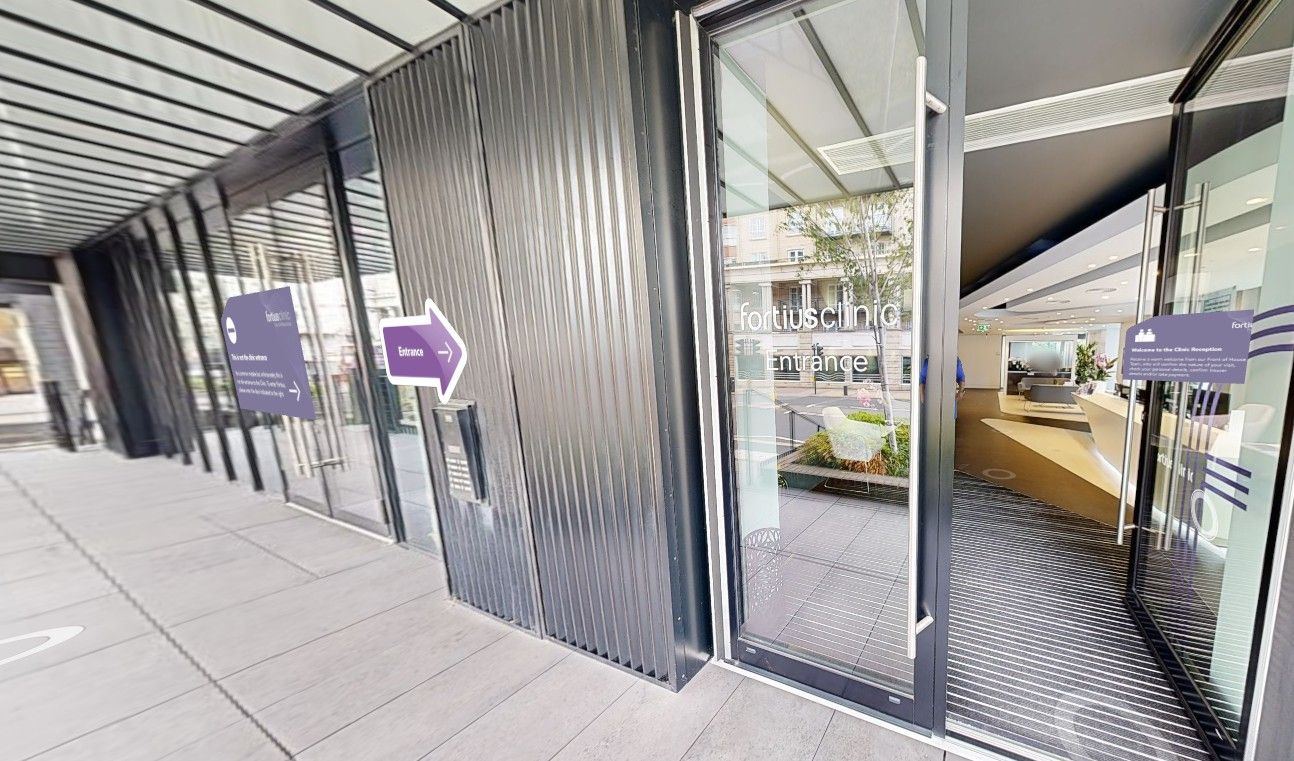
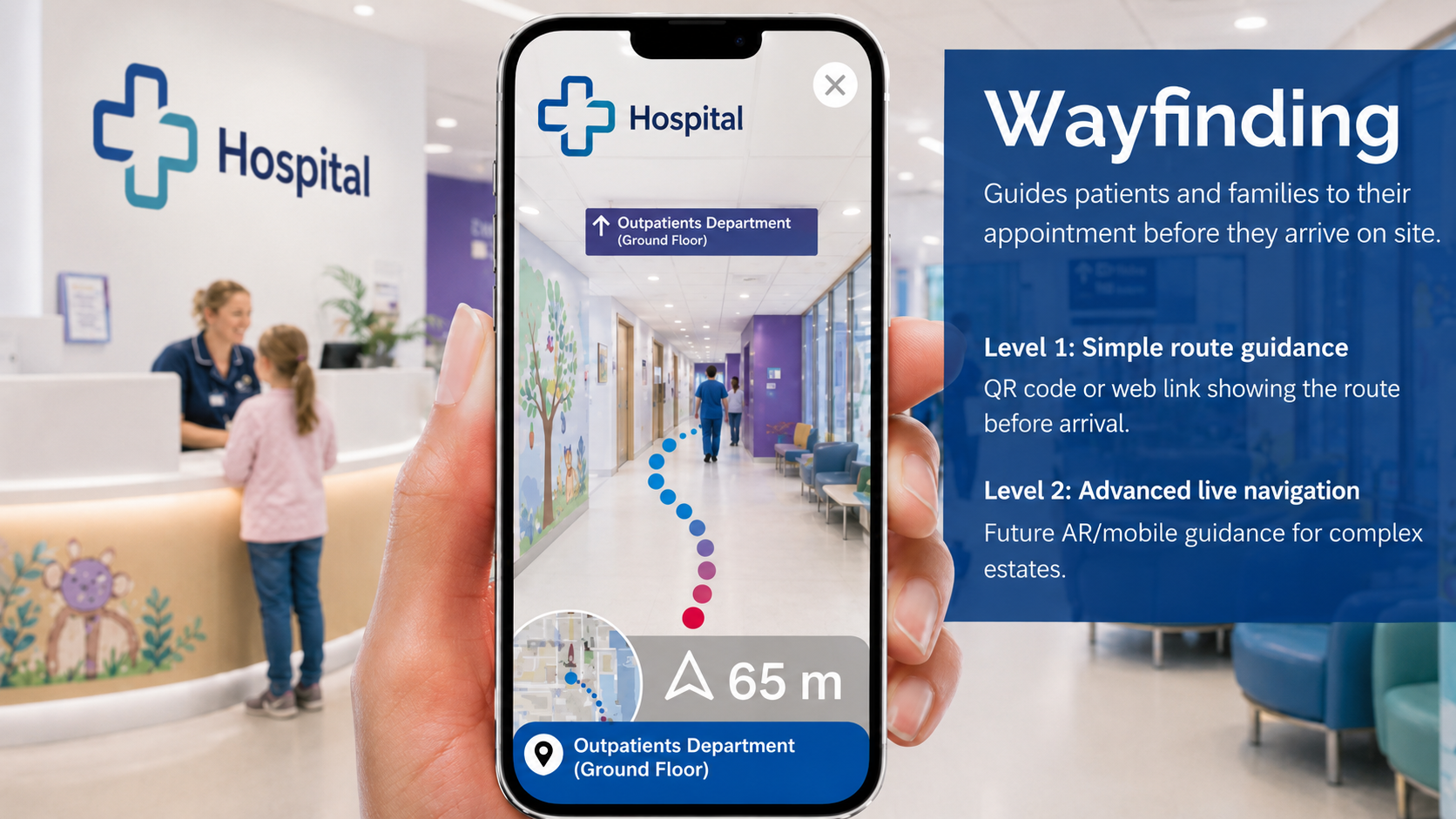
💡The hospital journey starts before arrival. Parking, finding the right entrance and understanding the route are part of the experience, not peripheral details.
💡A digital hospital should reflect real life. It needs to show the practical, emotional and sensory realities of a visit.
💡Small uncertainties can create major barriers. For some families, not knowing what will happen can contribute to anxiety, avoidance or missed appointments.
💡Neurodivergent children need more than information. They may benefit from predictable, personalised ways to explore unfamiliar spaces at their own pace.
💡What we measure shapes what we improve. Attendance figures alone may not reveal the anxiety, effort or support required to get to an appointment.
💡Technology should strengthen human connection. A virtual experience cannot replace reassurance from a trusted person - but it can make that conversation easier.
💡 Imagination can make preparation engaging. Virtual elves, games and activities for siblings can transform waiting and exploring from a source of stress into something more manageable.
💡Digital design can expose health inequalities. We need to ask who has access, who is represented and what additional support families may need.
💡 Good ideas need courage and collaboration. The conversation connects with my own history at Alder Hey, Joanne Minford’s inspiring work, earlier Whose Shoes? coproduction conversations and ... the new neonatal unit now becoming a reality because people listened, believed and turned ideas into action!
This is a wide-ranging conversation about how technology can make healthcare more human, not less.
What would help you feel less anxious before arriving for a hospital appointment?